Creating a Welcoming Atmosphere for Social Gatherings
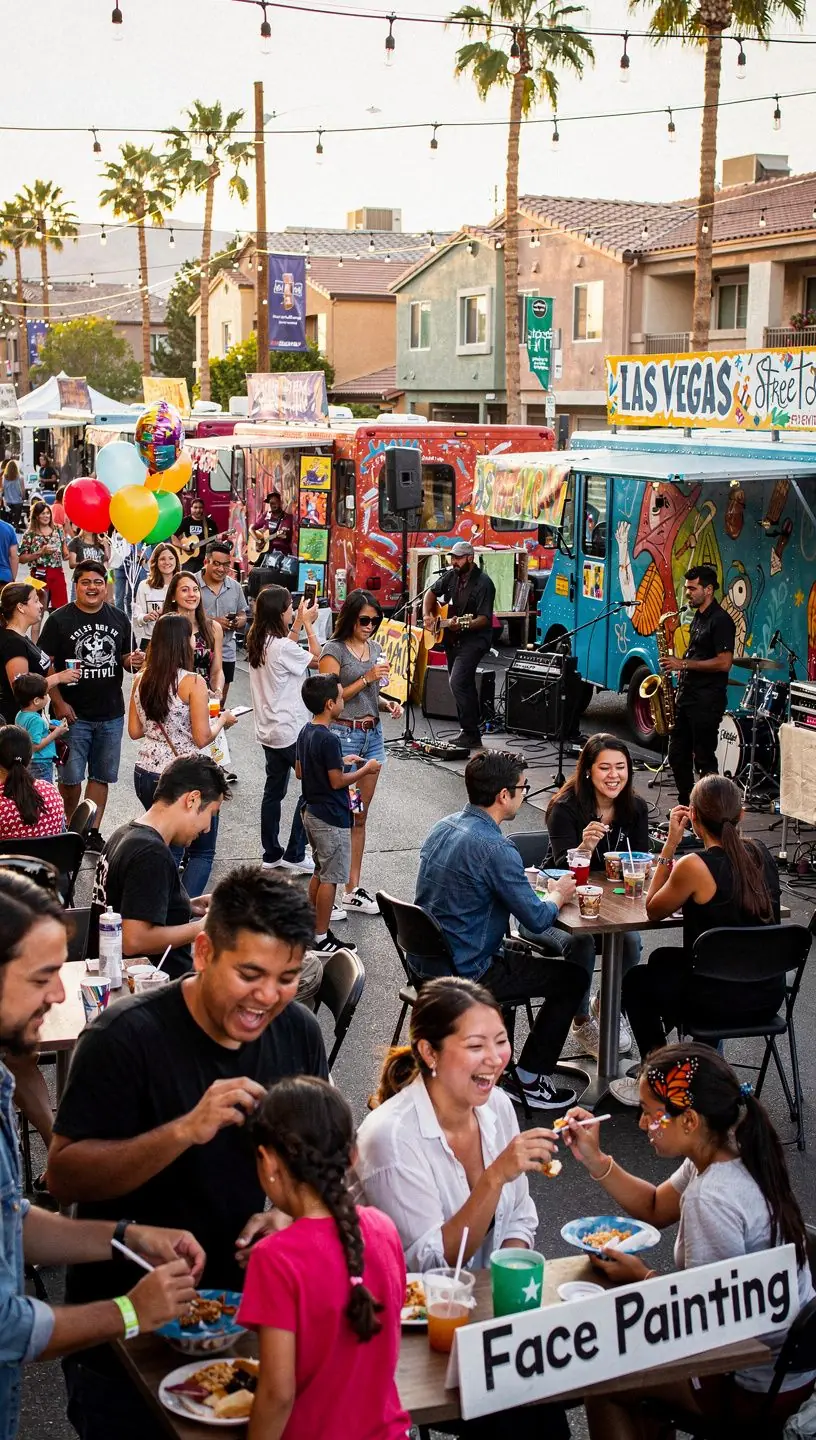
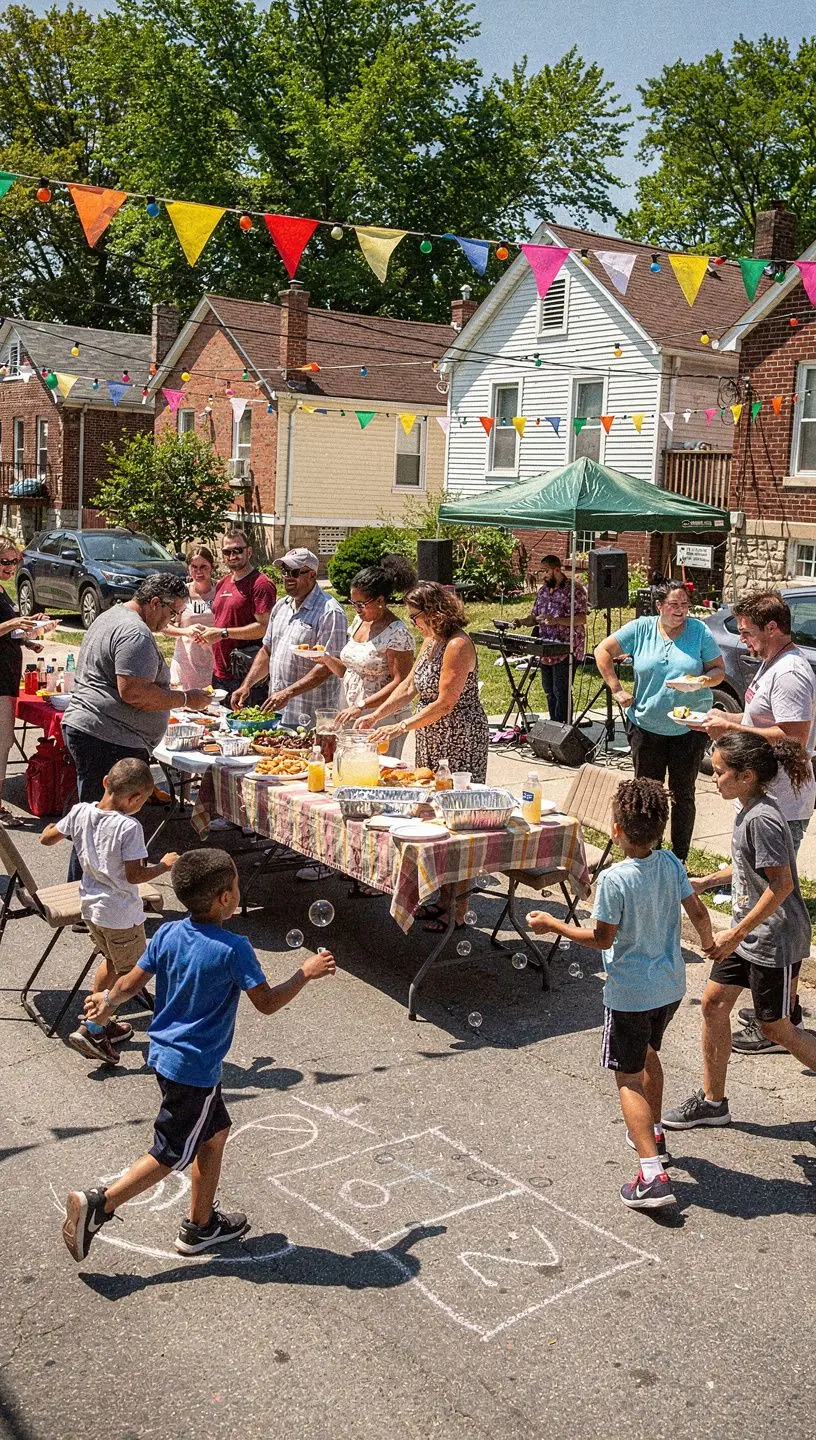
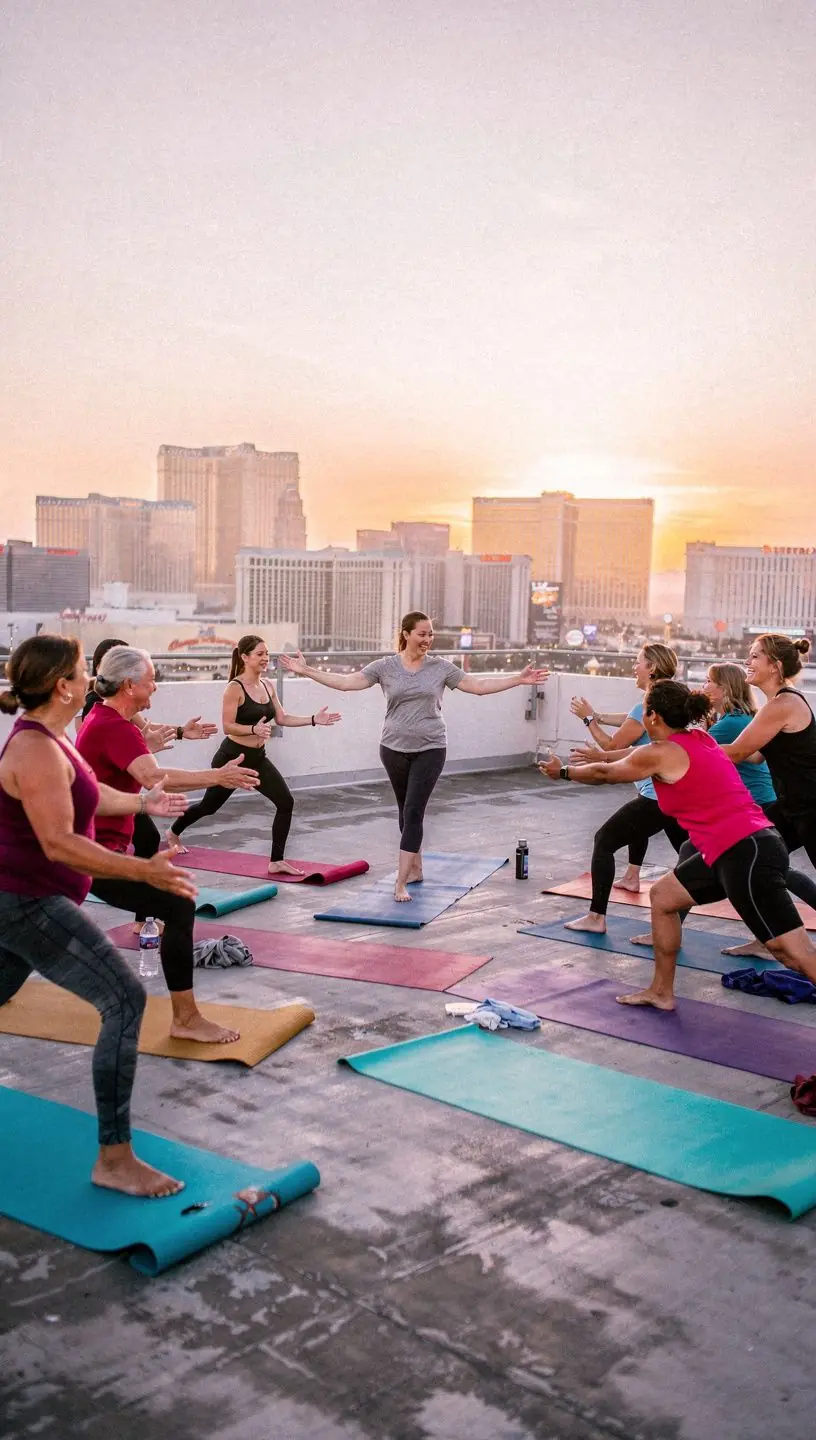
Creating a welcoming atmosphere for social gatherings is essential for fostering community connections. In the context of neighborhood events like music sessions and board game clubs, a warm and inviting environment can significantly enhance participation and enjoyment.
Understanding the Basics
Research indicates that a welcoming atmosphere is key to successful social gatherings. According to the Journal of Community Psychology, environments that promote comfort and inclusivity can increase attendee interaction and satisfaction. Experts recommend several strategies to create such an atmosphere, focusing on both physical and social elements.

"A sense of belonging is critical for community engagement, and this is often fostered through thoughtful event design." - Dr. Jessica Lee, Community Engagement Specialist
Key Elements of a Welcoming Atmosphere
- Physical Space: Ensure that the venue is accessible and comfortable. This typically involves providing adequate seating, good lighting, and a layout that encourages mingling. Many users report that open spaces foster more interaction.
- Inclusive Practices: Promote inclusivity by encouraging diverse participation. This can include offering activities that cater to various interests, such as board games for all ages and musical genres that resonate with different groups. According to studies, inclusive events tend to attract larger audiences.
- Engagement Activities: Incorporate icebreakers or group activities that encourage attendees to interact. Research shows that structured activities can significantly lower social anxiety, making it easier for participants to connect.
Designing Your Gathering
When planning a social event, consider the following steps:
- Assess the Space: Evaluate the venue to determine how to arrange furniture and resources effectively. This process typically takes 1-2 hours but is crucial for setting the right tone.
- Plan Activities: Choose activities that promote interaction and cater to a broad audience. Many successful events involve a mix of structured and unstructured time, allowing guests to engage at their own pace.
- Gather Feedback: After the event, solicit feedback from attendees to understand what worked well and what could improve. This feedback is invaluable for future gatherings, as it highlights attendees' experiences and preferences.
Acknowledging Limitations
While creating a welcoming atmosphere can enhance social gatherings, it is important to acknowledge that it typically requires time and effort. Establishing a regular schedule of events, for instance, can help build familiarity among participants, which often leads to deeper connections over time. However, this approach requires dedication and consistent planning.
Conclusion
Creating a welcoming atmosphere for social gatherings is a multi-faceted effort that involves understanding the needs of your community and designing experiences that foster connection. By focusing on accessibility, inclusion, and engagement, you can help cultivate an environment where individuals feel comfortable and eager to participate. Remember that while this process takes time and commitment, the rewards of a vibrant community are well worth the effort.
Learn More