The Role of Volunteers in Neighborhood Activities
Volunteers play a critical role in fostering a sense of community and enhancing the quality of neighborhood activities. Understanding their contributions can help us appreciate the fabric of our local connections and how we can support them.
Understanding the Importance of Volunteers
According to research from the Corporation for National and Community Service, neighborhoods with active volunteer participation tend to have stronger community ties and higher levels of civic engagement. This is largely because volunteers not only contribute time and skills, but they also bring diverse perspectives that enrich community programs.
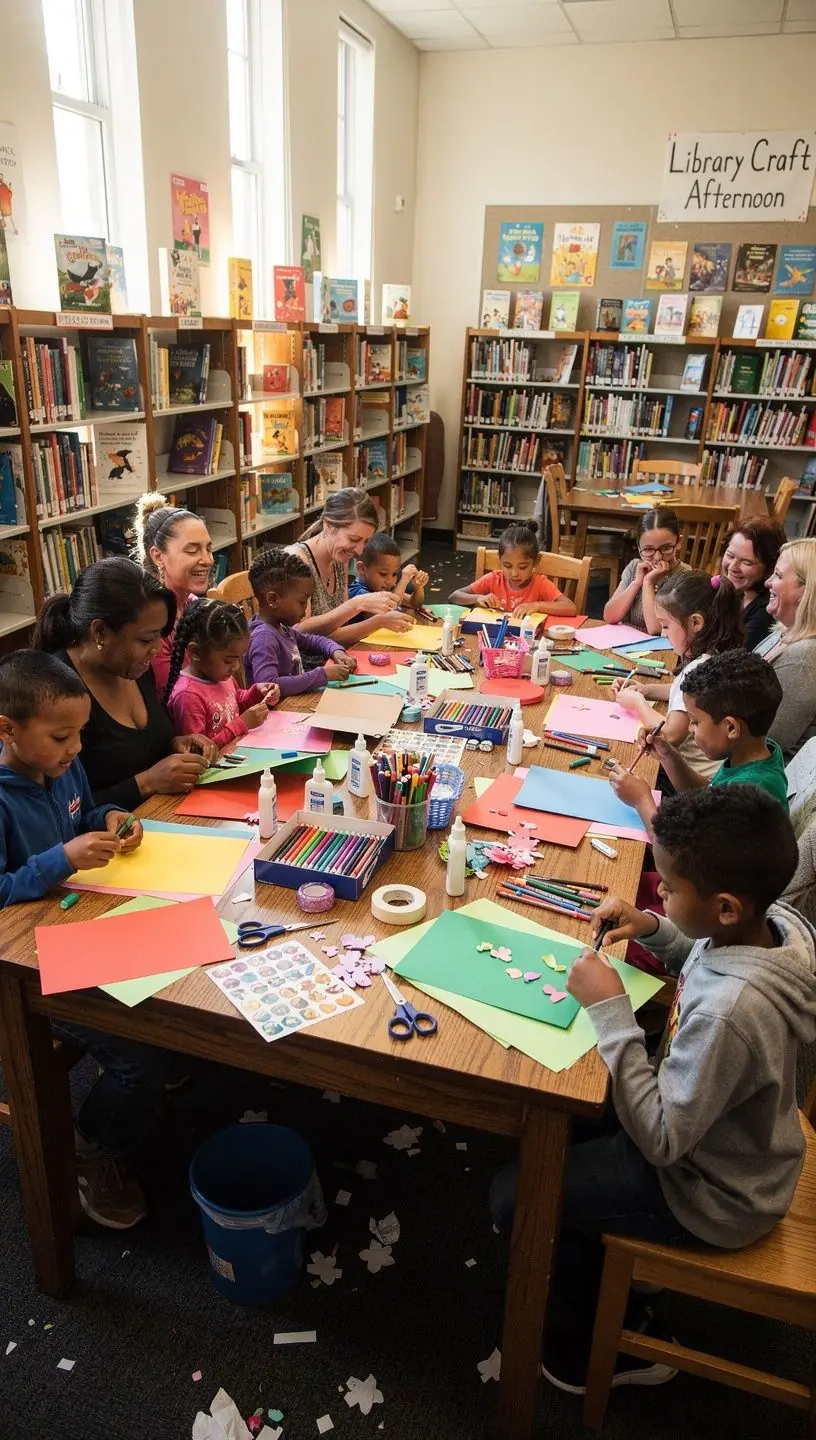
"Communities thrive when individuals come together to contribute their unique skills and talents."
How Volunteers Impact Neighborhood Activities
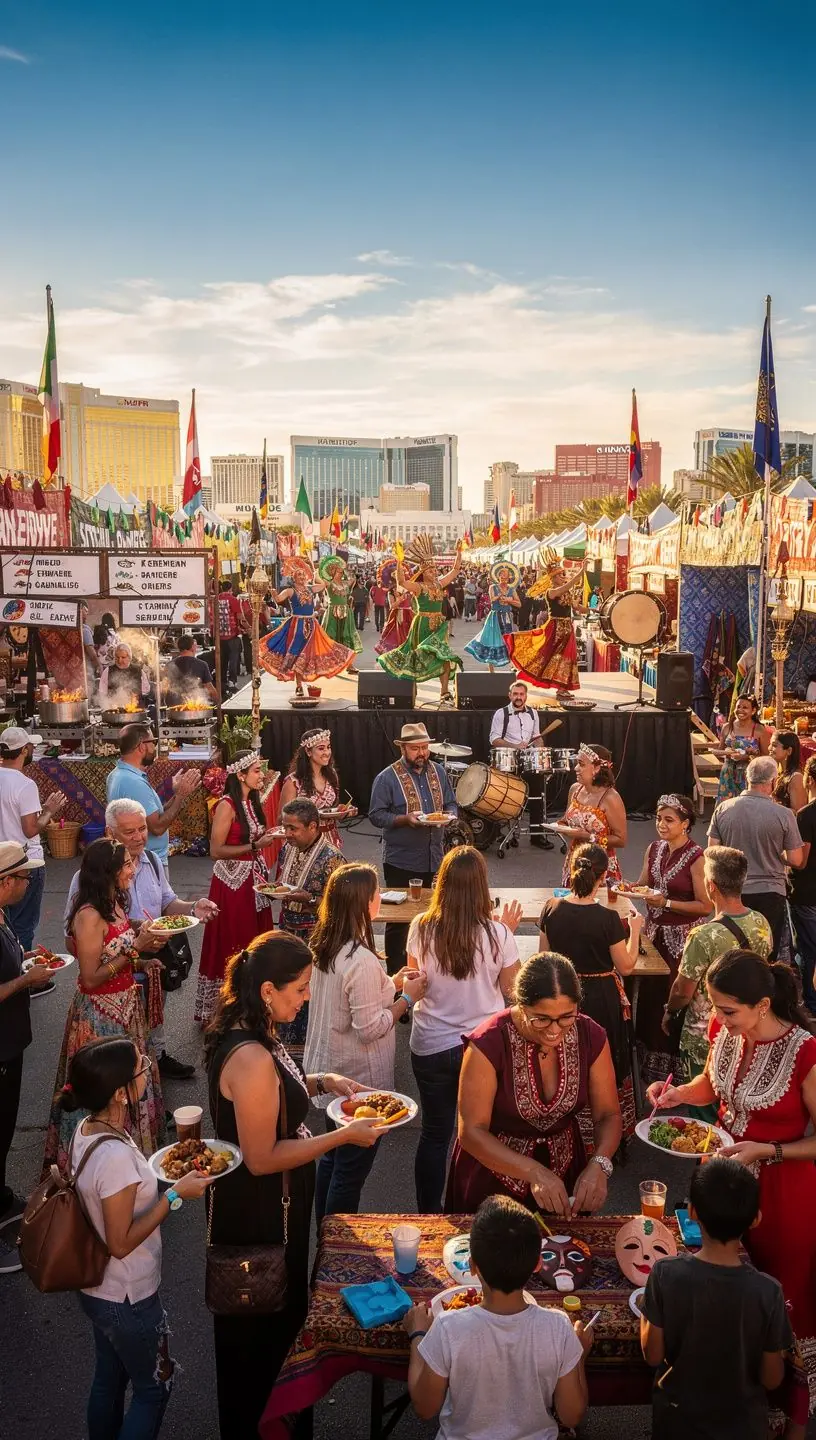
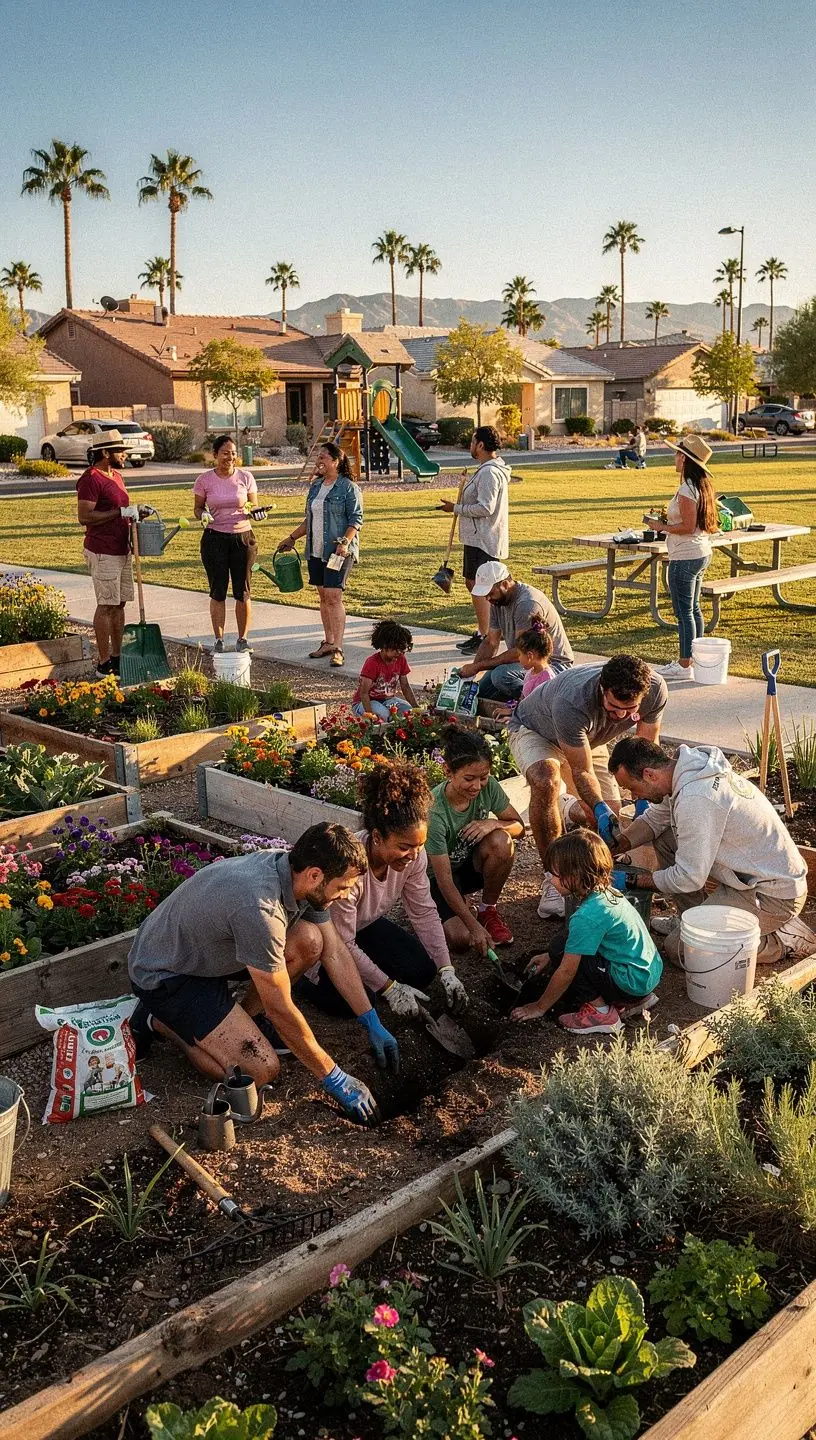
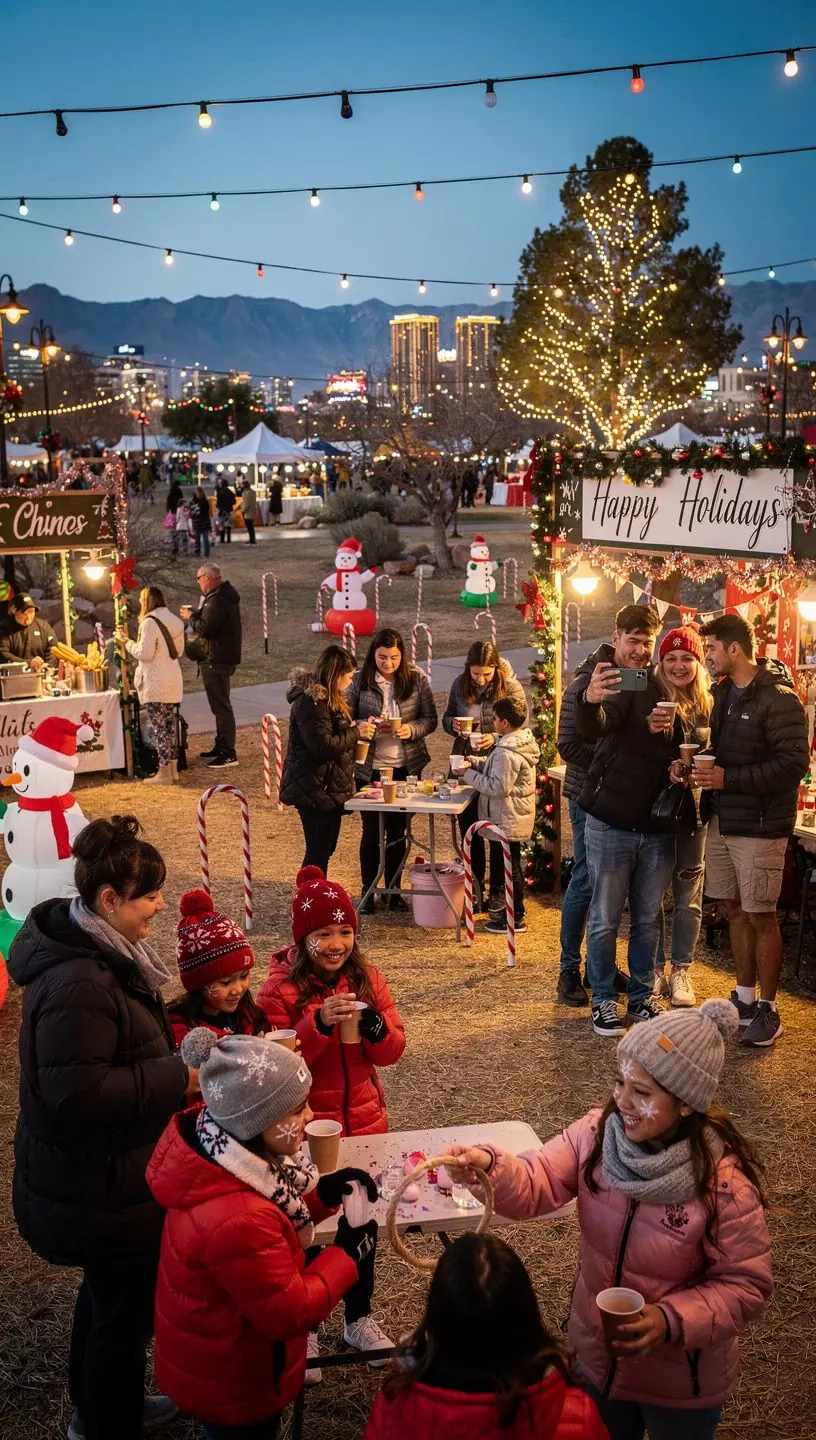
Volunteers often play various roles in neighborhood events, from organizing music sessions to facilitating board game clubs. These activities typically require consistent effort and dedication, and volunteers help ensure they run smoothly. Here are some ways volunteers contribute:
- Event Coordination: Volunteers assist in planning and executing events. This often involves logistics such as securing venues, managing schedules, and promoting the activities.
- Community Engagement: Many volunteers act as liaisons between organizers and the community. They gather feedback and encourage participation, which is crucial for tailoring events to the interests of residents.
- Skill Sharing: Volunteers often bring specialized skills to the table, such as musical talent for sessions or expertise in facilitating social games. This variety enhances the overall experience for participants.
The Benefits of Volunteering
Engaging in volunteer work typically offers several benefits for both the community and the individuals involved. Research indicates that volunteers often report increased feelings of happiness and fulfillment, as social connections can enhance emotional well-being. Additionally:
- Skill Development: Volunteers can develop new skills or improve existing ones, often gaining valuable experience that can benefit them personally or professionally.
- Networking Opportunities: Participating in neighborhood activities can help volunteers meet new people, expanding their social networks and fostering friendships.
- Civic Responsibility: Many individuals feel a sense of duty to contribute to their community, which can lead to increased participation in other civic activities.
Challenges Faced by Volunteers
While volunteering is rewarding, it often comes with challenges. Many volunteers face time constraints due to personal and professional commitments. According to national surveys, individuals typically spend around 2-4 hours per week on volunteer activities, which can be a significant commitment. Furthermore:
- Volunteering can involve a learning curve; new volunteers may need guidance and support to feel confident in their roles.
- Not all community initiatives receive equal support, making it essential for volunteers to advocate for their causes.
- Volunteers may need to manage expectations, as not every event may achieve the desired outcomes due to varying community interests.
Conclusion
Volunteers are the backbone of effective neighborhood activities, bringing life and vibrancy to local events. By understanding their roles and the challenges they face, community members can better support and engage with these invaluable individuals. As research shows, fostering a culture of volunteering not only enhances neighborhood activities but also strengthens community bonds, making for a more inclusive and connected environment. If you're considering getting involved, remember that every little bit helps, and your contribution can make a significant difference.
Learn More