Understanding the Impact of Live Music on Community Cohesion
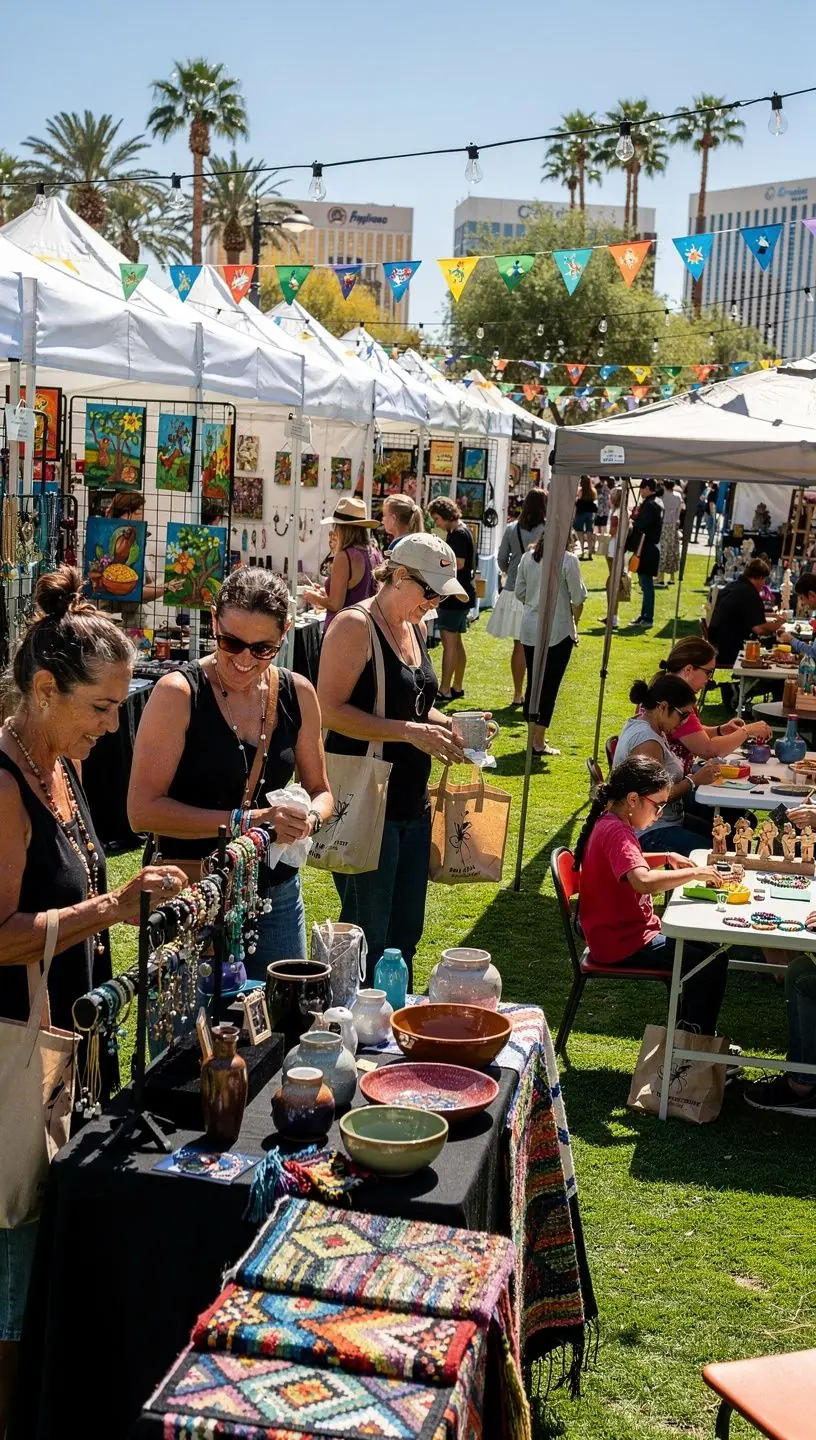
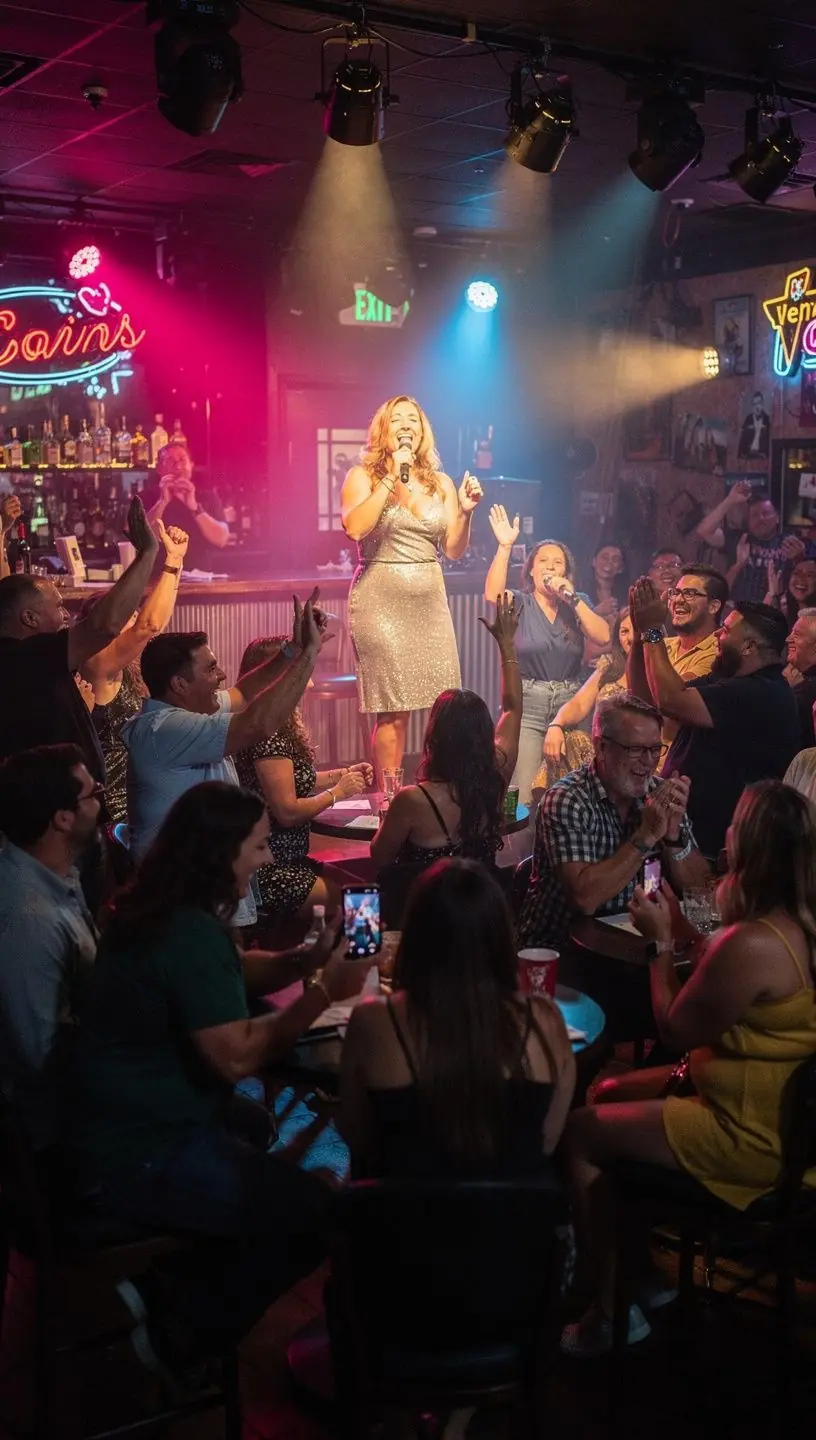
Live music events often serve as an essential component of community life, fostering social interaction and a sense of belonging. In this article, we explore how live music can enhance community cohesion, drawing on research and expert opinions.
The Role of Live Music in Communities
According to studies conducted by the Music and Community Research Network, music has been shown to play a significant role in bringing people together. This is particularly evident in communities that regularly host live music events, as these gatherings often promote interaction among residents and encourage a sense of collective identity.

"Live music not only entertains but also creates a shared experience that can strengthen ties between community members." - Dr. Sarah Thompson, Community Sociologist
How Live Music Enhances Community Cohesion
Live music events can enhance community cohesion in several ways:
- Fostering Connections: Many users report feeling more connected to their neighbors after attending a local concert or music festival. This connection often leads to the formation of friendships and support networks.
- Encouraging Inclusivity: Events that feature diverse musical genres can attract a wide range of attendees, promoting inclusivity and understanding among different cultural groups within the community.
- Supporting Local Economies: Research indicates that live music events can boost local businesses, encouraging residents to shop and dine locally, which can further foster a sense of community pride.
Challenges and Considerations
While the benefits of live music are substantial, it is essential to acknowledge potential challenges:
- Noise Concerns: Live music can sometimes lead to noise complaints from residents living nearby. Communities often need to consider sound regulations and ensure events are held at appropriate times.
- Time and Effort: Organizing live music events can be resource-intensive, requiring community volunteers, funding, and logistical planning.
- Access and Inclusivity: It is crucial that live music events are accessible to all community members, including those with disabilities and varying economic backgrounds.
Conclusion
Live music serves as a catalyst for community cohesion, offering a platform for social interaction, cultural exchange, and local economic support. While challenges exist, with careful planning and consideration, communities can harness the power of live music to create stronger, more connected neighborhoods. By understanding the impact and potential benefits, community organizers and residents can work together to make these events inclusive and enjoyable for everyone.