The Role of Venues in Cultural Community Development
Cultural venues are more than just physical spaces; they serve as vital hubs for community engagement and cultural enrichment. This article explores how local venues can significantly contribute to the development of cultural communities, focusing on music sessions, board game clubs, and various social activities.
Understanding the Basics
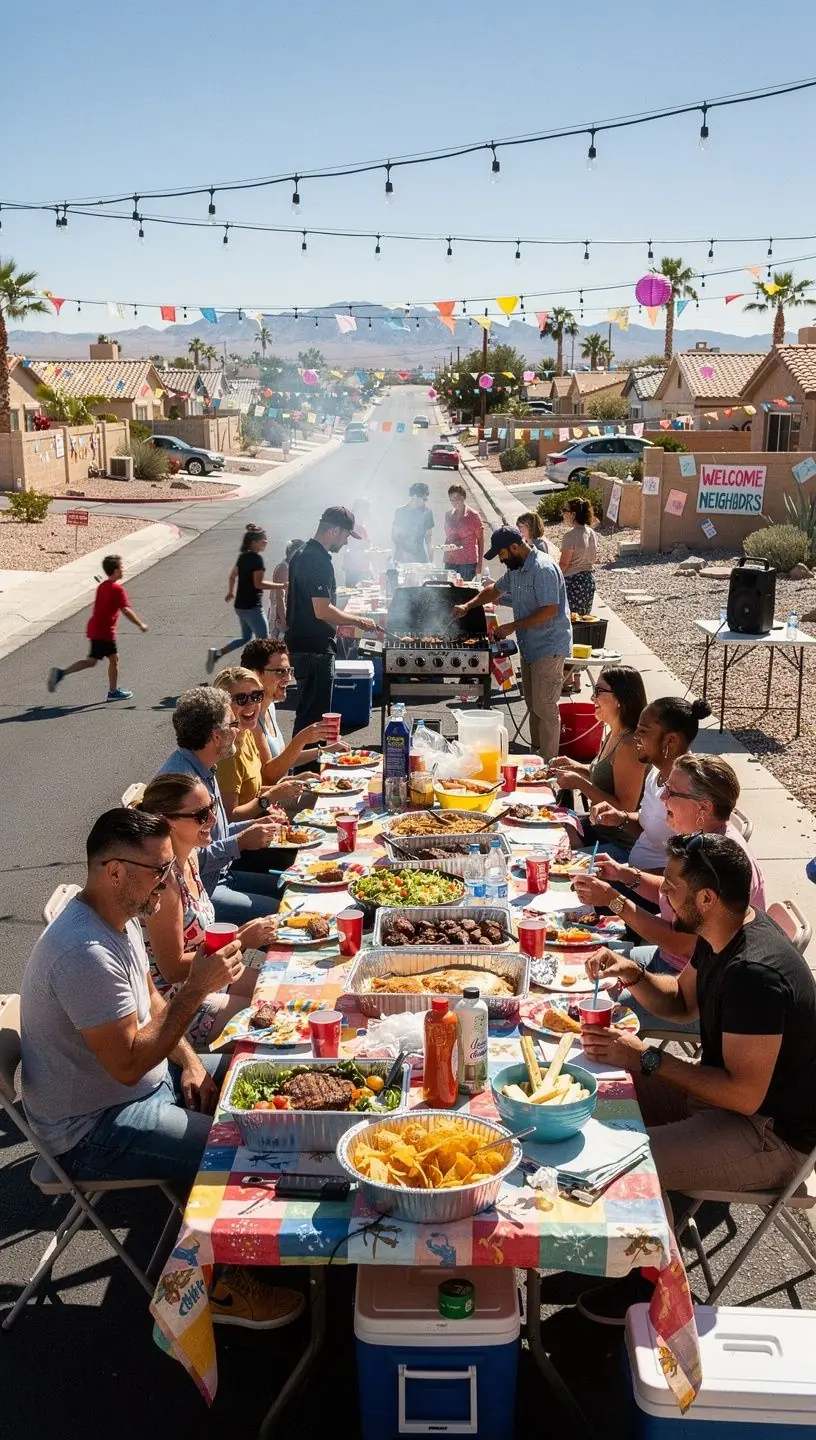
According to research, community spaces that host regular events often foster a sense of belonging among residents. Venues that engage the community—like local theaters, community centers, or cafés—create environments where cultural exchange can thrive. This is largely because these spaces are designed to be accessible and welcoming, enabling diverse groups to come together.
"Community spaces play a crucial role in enhancing social connections and cultural understanding," notes Dr. Jane Smith, a sociologist specializing in community development.
How Venues Facilitate Cultural Development
Venues engage in cultural community development through various methods:
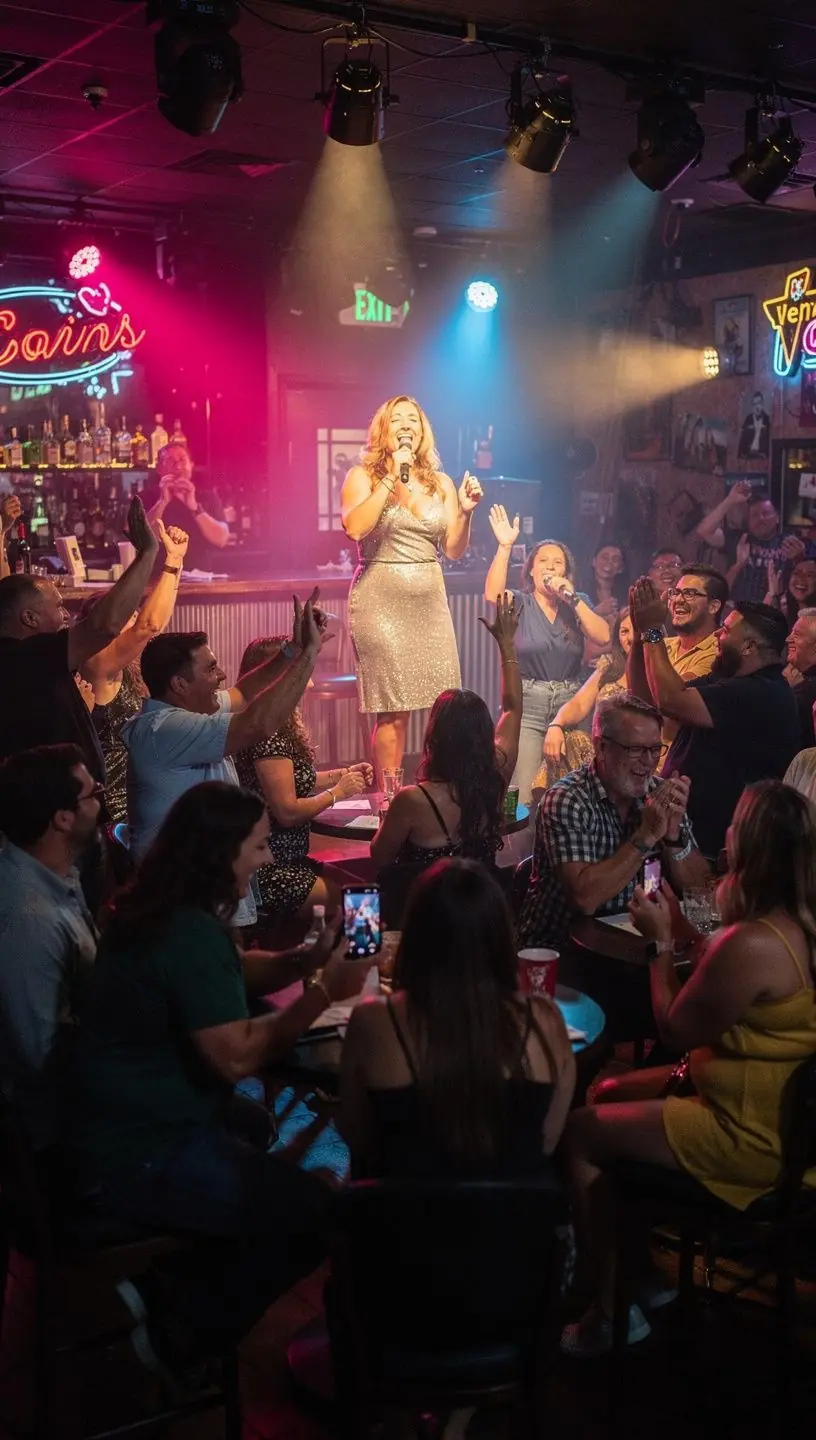
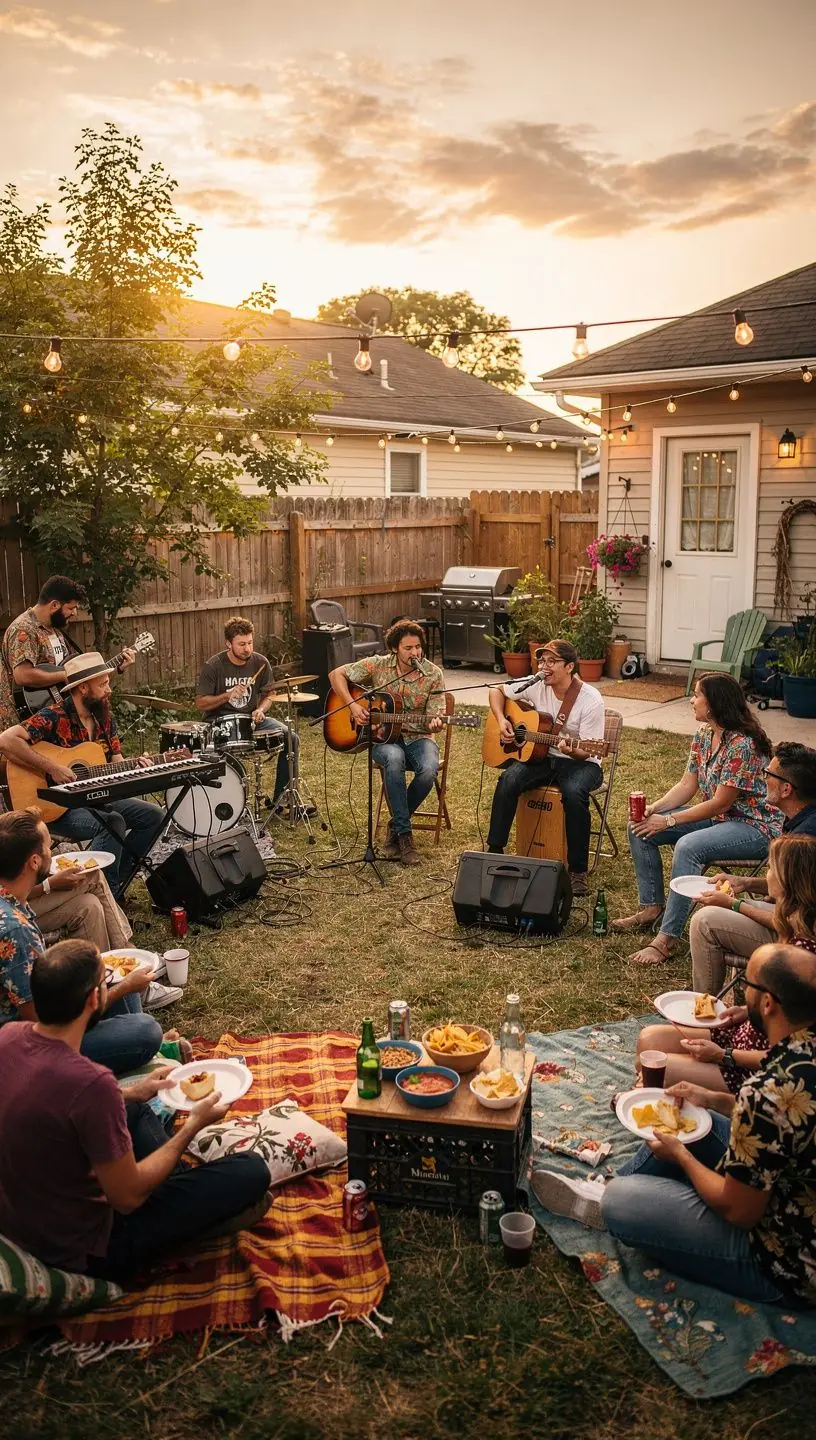
- Hosting Regular Events: Venues that schedule weekly music sessions or game nights often see increased participation, as these events become part of the community's routine. Many users report feeling more connected to their neighbors when they regularly attend these gatherings.
- Providing Accessibility: The best venues are typically located in easily accessible areas, ensuring that all community members, including those with mobility challenges, can participate. This inclusivity is vital for diverse cultural representation.
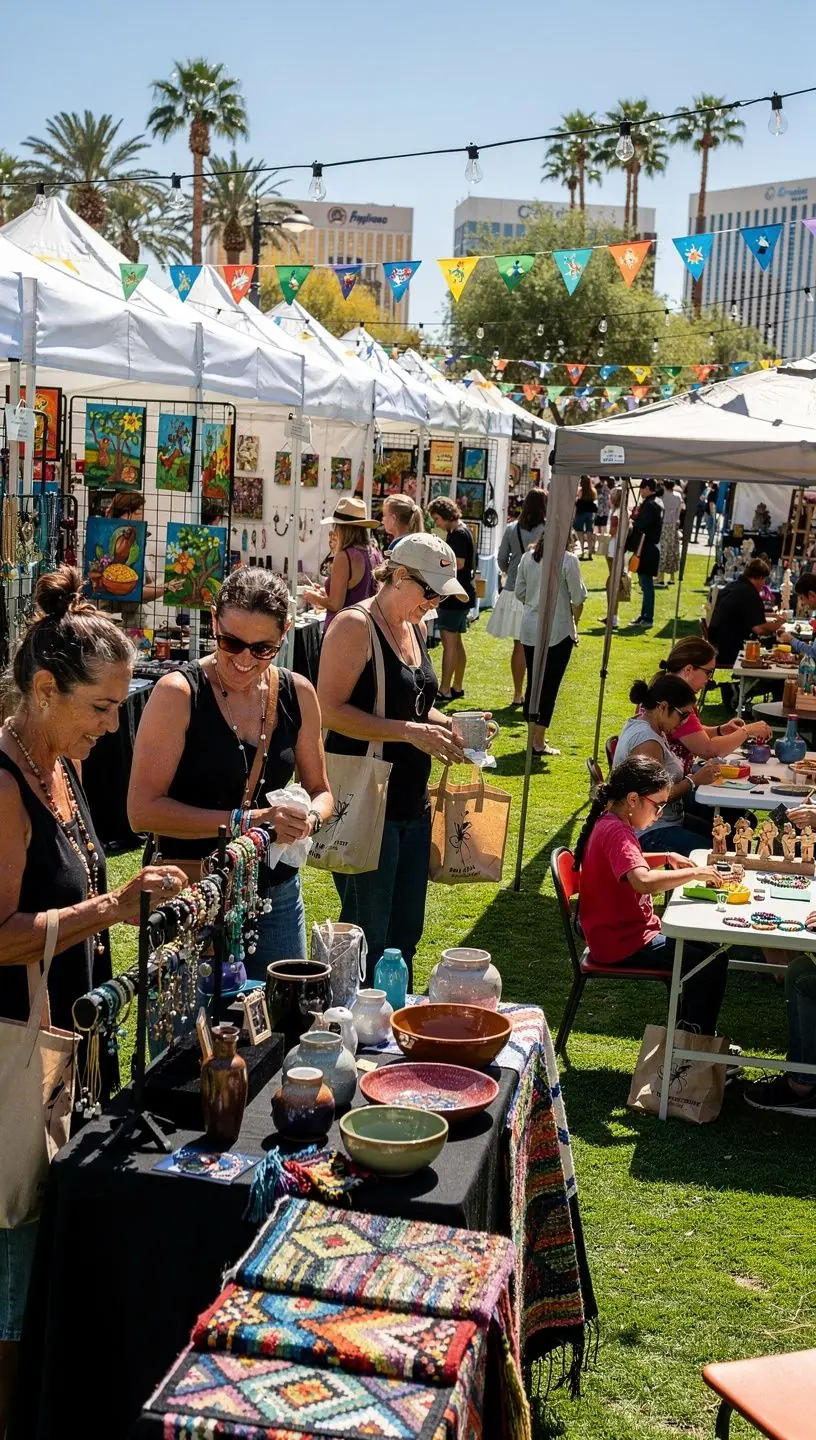
- Encouraging Collaboration: Venues often collaborate with local artists and organizations to host events, which not only supports local talent but also enriches the cultural tapestry of the community. Research indicates that such collaborations can increase attendee numbers and community interest.
Challenges and Limitations
While venues can be instrumental in cultural community development, it's important to acknowledge the challenges they face. For instance, maintaining consistent attendance at events can be difficult. This typically requires dedicated marketing efforts and engagement strategies. Furthermore, venues often need to navigate funding and support issues to sustain their programs over time.
Moreover, the success of such venues often depends on the community's prior engagement levels. Experts recommend that venues assess community interests and feedback to tailor their programs effectively. This approach typically yields better results, fostering long-term cultural growth.
Conclusion
In conclusion, local venues play a significant role in cultural community development by facilitating social interactions, enhancing accessibility, and promoting local talent. While there are challenges to overcome, a strategic focus on community engagement and collaboration can lead to vibrant cultural ecosystems. By prioritizing these efforts, venues can help create meaningful spaces that cultivate cultural richness in neighborhoods.